

When Is the Best Time to Aerate and Overseed Your Lawn in Lancaster, PA?
August 27, 2026
Quick Summary
Lancaster Lawn Care Guide
When Is the Best Time to Aerate and Overseed Your Lawn in Lancaster, PA?
If your lawn looks thin, has bare patches, or feels hard underfoot after summer, aeration and overseeding reset your growing conditions. Late summer to early fall offers ideal soil warmth, reliable moisture, and lower weed competition for cool-season turf recovery.
Is Your Lawn Ready for Aeration?
Evaluate thin or compacted areas early in the season. Aeration and overseeding excel at restoring worn lawns, but underlying grading or drainage issues should be assessed first.
If your lawn looks thin after summer, has bare patches that never seem to fill in, or feels hard underfoot, aeration and overseeding can help reset the growing conditions. The timing matters, though. Seed needs enough warmth and moisture to germinate, and the existing turf needs favorable weather to recover from aeration.
For Lancaster County lawns, late summer into early fall is often the most useful window. Cooler air temperatures reduce stress on established grass, soil is still warm enough to support germination, and young seedlings have time to develop before winter. Spring can also work in some situations, but fall generally gives homeowners a better combination of growing conditions and fewer summer-related obstacles.
Why Late Summer and Early Fall Work So Well

Most lawns in Lancaster County are built around cool-season grasses. These grasses are naturally more active when temperatures moderate after the heat of summer. Penn State Extension's Lawn Management through the Seasons recommends aerating during cool-weather periods, including late summer to early fall, so turf can recover quickly.
Penn State also identifies late summer and early fall as one of Pennsylvania's optimum periods for turf seeding in its Lawn Establishment guide. The combination makes sense: aeration opens compacted soil and creates channels where air, water, and nutrients can move, while overseeding introduces new grass into thin or worn areas.
In Lancaster, Mount Joy, Lititz, Manheim, Ephrata, and Elizabethtown, this timing also lets homeowners address damage from summer heat, foot traffic, pets, and dry periods before the lawn goes dormant for winter.
Three conditions work together to give cool-season grass a stronger start.
Warm Soil
Summer warmth remains in the soil, creating favorable conditions for new seed to germinate.
Cooler Air
Moderating temperatures reduce stress on established turf and developing seedlings.
Time to Establish
Young grass has an opportunity to develop before winter dormancy and the next summer's heat.
What Aeration Actually Does
Core aeration removes small plugs of soil from the lawn. Those openings reduce compaction and help improve movement of water, oxygen, and nutrients into the root zone. They also create more opportunities for grass seed to contact soil instead of sitting on top of dense turf or thatch.
Keystone's lawn aeration and seeding service is designed for lawns that are patchy, thin, uneven, or compacted from traffic, pets, rainfall, and seasonal stress. Aeration does not instantly make a lawn thicker, but it improves the conditions the existing turf and new seedlings need to grow.
You are more likely to benefit from aeration if the soil feels hard, water tends to run across the surface instead of soaking in, heavily used areas look worn, or the lawn has gradually become thin despite regular mowing and fertilization.
Why Overseeding Is Usually Paired With Aeration
Overseeding adds grass seed to an existing lawn without removing all of the turf. It is useful when the lawn still has plenty of desirable grass but needs more density, better coverage, or recovery in worn areas.
Pairing the two services is practical because seed needs good soil contact. Aeration creates openings through the existing turf and can improve the seedbed across the lawn. The goal is not to drop seed onto green grass and hope for the best. It is to give the seed a better chance to reach soil, stay moist, and establish before conditions become too cold.
If large areas are completely bare, badly eroded, or uneven, simple overseeding may not be enough. More extensive soil preparation or lawn renovation can be a better fit, depending on the cause of the damage.
1
Open the Soil
Core aeration removes small plugs and relieves compacted soil across the lawn.
2
Introduce Seed
Overseeding adds new grass to thin and worn areas while taking advantage of improved soil contact.
3
Support Establishment
Consistent moisture, reduced traffic, proper mowing, and leaf management help new seedlings develop.
Is Spring Aeration and Overseeding a Bad Idea?
Not necessarily. Penn State includes spring among the suitable periods for both aeration and turf establishment. A spring application can make sense after winter damage, construction, or another problem leaves the lawn thin and exposed.
The tradeoff is what comes next. New seedlings planted in spring have less time to develop before Lancaster County's summer heat and dry spells arrive. Spring lawn programs can also involve crabgrass prevention and weed-control products that may affect seeding schedules. Product labels and the overall lawn-care plan need to be considered before seed goes down.
For homeowners already using a seasonal fertilization and weed-control program, coordinating aeration and seeding with the treatment schedule is important. The best date is the one that gives seed a good establishment window without conflicting with other lawn applications.
🍂 Fall: Usually the Best Choice
- Warm soil supports germination.
- Cooler air reduces turf stress.
- New grass has time to establish before summer.
- Often the strongest fit for cool-season lawns.
🌷 Spring: Useful in Some Situations
- Can repair winter or construction damage.
- Works when lawns are thin or exposed after winter.
- Seedlings face summer heat sooner.
- Weed-control timing may complicate seeding.
Bottom line: Fall is generally the easier establishment window, but spring can still make sense when lawn damage needs attention sooner.
Can You Aerate and Overseed Too Late in Fall?
Yes. Cooler weather is helpful, but new grass still needs time to germinate and begin establishing. Waiting until late fall can leave seedlings with too little growing time before temperatures fall sharply.
The exact cutoff depends on the grass species, weather, soil temperature, and the condition of the lawn. For example, Penn State notes that late-summer seedings of tall fescue should be made before September 1 in southern Pennsylvania. That does not mean every Lancaster County lawn follows one calendar date, but it illustrates why delaying a fall seeding project can reduce the establishment window.
If you are considering fall aeration and seeding, it is better to evaluate the lawn early than to wait until leaves are already piling up and nighttime temperatures are consistently cold.
What Should You Do After Aeration and Overseeding?
Keep The Seed Consistently Moist
New grass seed cannot establish if it repeatedly dries out during germination. Water lightly and consistently enough to keep the seeded surface moist without creating puddles or washing seed into low spots. As seedlings develop, watering can gradually shift toward less frequent, deeper irrigation based on weather and soil conditions.
Avoid Heavy Traffic
Give newly seeded areas a chance to develop without repeated foot traffic, pets, or equipment pressing seedlings into wet soil. This is especially important in the first few weeks when roots are shallow and easily disturbed.
Be Careful with Mowing
Do not scalp the lawn before or after overseeding. Once the new grass is tall enough to mow, use sharp blades and avoid removing too much of the leaf at once. Keystone's lawn mowing and leaf removal service emphasizes mowing height, frequency, and sharp blades as important parts of maintaining healthy turf.
Manage Fallen Leaves
Fall seeding and falling leaves often overlap. A heavy layer of leaves can block light and hold excess moisture against young grass. Remove leaves carefully rather than letting them mat down over newly seeded areas.
How to Tell Whether Your Lawn Is a Good Candidate
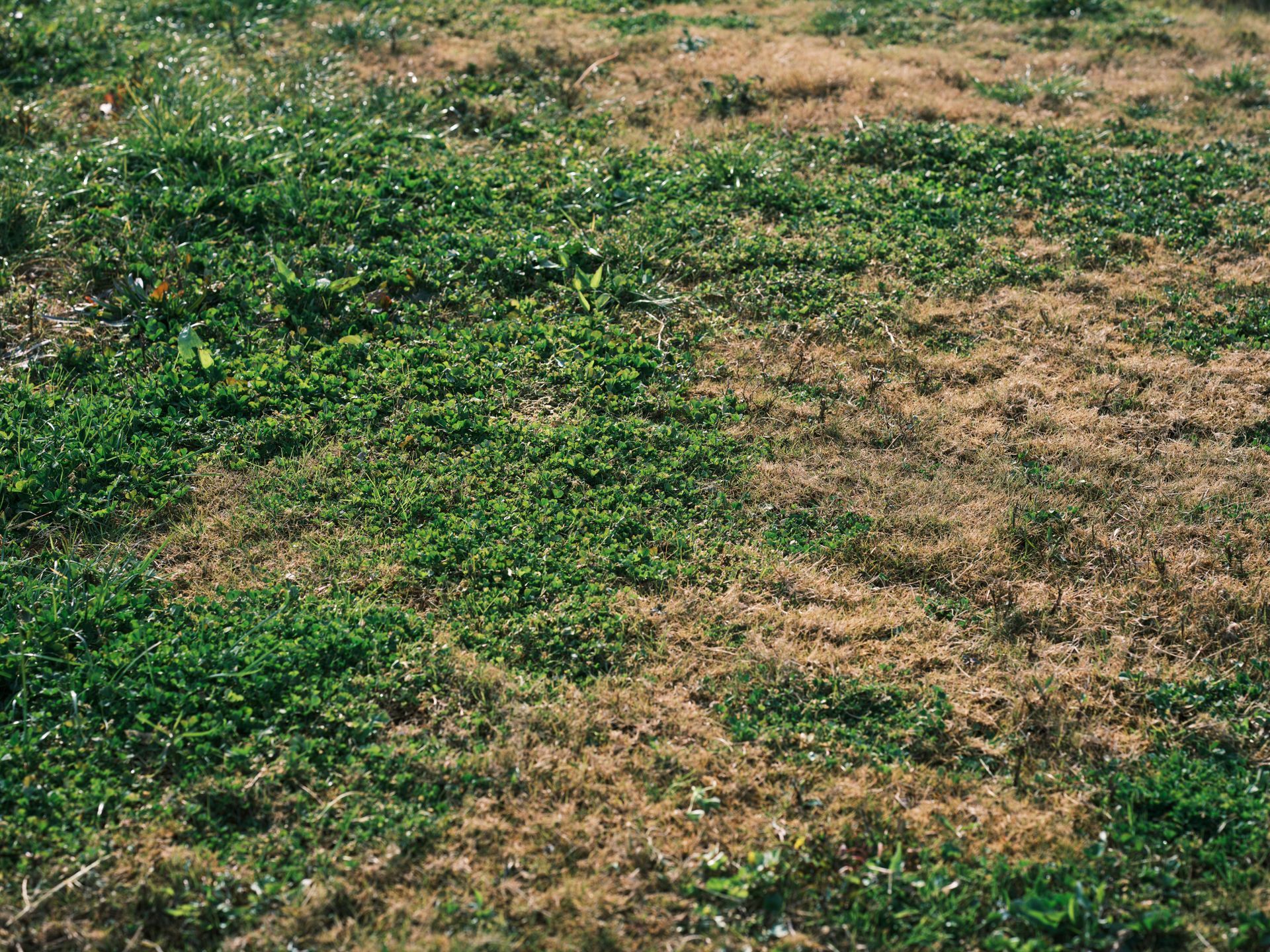
Aeration and overseeding are especially useful for lawns that still have a workable stand of grass but need help recovering. Thin areas, moderate bare spots, compacted soil, worn paths, and a generally tired appearance after summer are all common reasons to consider the service.
A lawn with major drainage problems, severe erosion, deep ruts, large areas of failed soil, or major grading issues may need a different starting point. Adding seed does not correct the underlying condition that caused the grass to fail. A useful lawn assessment should separate turf problems from soil, drainage, and grading problems before work begins.
For many Lancaster County homeowners, late summer and early fall offer the strongest opportunity to aerate, overseed, and rebuild a lawn after summer stress. The goal is not simply to put seed down before winter. It is to create enough time and the right soil conditions for new grass to establish.
If your lawn in Lancaster, Mount Joy, Lititz, Manheim, Ephrata, Elizabethtown, or a nearby community is thin, patchy, or compacted, request a free estimate from Keystone Lawn Company. Keystone can evaluate whether aeration and seeding are the right fit for your lawn and the current season.
Common homeowner questions
Frequently Asked Questions
How often should a Lancaster County lawn be aerated?
There is no single schedule for every property. Lawns with compacted soil, heavy foot traffic, pets, or repeated wear may benefit more often than lightly used lawns with healthy soil. Keystone notes that many lawns benefit from annual aeration, with the final recommendation based on lawn condition.
How long does new grass take to come up?
Germination time varies by grass species, soil temperature, moisture, and weather. Keystone advises homeowners that visible sprouting commonly takes a few weeks and that a thicker, more established result takes longer. Consistent aftercare is a major part of the outcome.
Should I fertilize when I overseed?
Fertilization can support establishment, but the right product and timing depend on the lawn, soil needs, and Pennsylvania fertilizer requirements. Coordinate seeding with the broader treatment plan rather than adding fertilizer automatically.
Should I aerate if my lawn is extremely dry?
Aeration equipment works best when soil conditions allow cores to be removed cleanly. Extremely hard, dry soil may reduce effectiveness, while saturated soil can create unnecessary disturbance. Scheduling around recent rainfall or irrigation can improve results.